|
News Code
111734
Copied
Cargo business in Kerala sail through sea of change
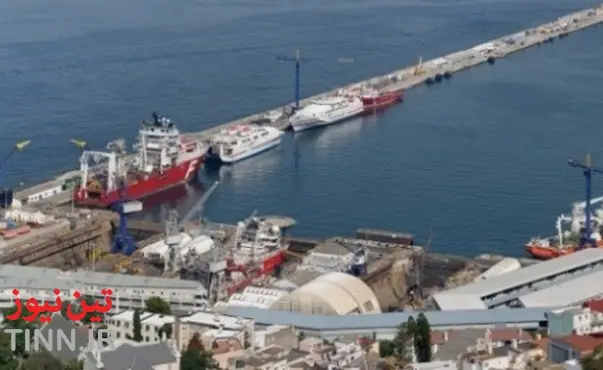
TIN news: The strategic geographical position of Cochin Port between East and West coasts in the country provides an edge to it in terms of car cargo. Going forward with the car cargo segment will provide the Port 10 to 15 per cent of the total ship calls other than oil and container traffic. Not only Kerala, which is a major automobile consumption hub, requirements in Karnataka and pockets of Tamil Nadu can also be met by the cargo received at Kochi. At present, Ennore-Gujarat and Kandla-Cochin-Ennore are the major routes for the transportation of automobiles in the country. Taking the sea route is being viewed as an eco-friendly and low-cost one, with the Union Government promising to provide an incentive of Rs 3,000 per car to those using coastal route (even though not implemented).
At present, huge cargo movement via rail and road networks from the manufacturing clusters in and around Chennai, Pune, Gujarat and the National Capital Region to the consumption centres spread across the country happens on a daily basis.
“Oil and containers contribute the major portion of the traffic to Cochin Port. Trumping them, car cargo will become a major contributor in terms of ship calls. Now a car cargo ship is expected at the Port once in a week. Kerala is a big market for cars with annual sales of 1,80,000 units. We can easily switch 30 to 35 per cent of the traffic via the sea-route. But more customer friendly measures are required to attract more traffic,” said Jimmy George, traffic manager, Cochin Port.
As of now four car cargo ships have visited the Cochin Port. During the last two calls, there were trucks as well loaded with motorcycles. But in terms of total handling of vehicles, the Port comes nowhere in the scene. Chennai Port handles around 2,50,000 cars per year (for exports), and that is among the highest in the country. The Port will have to get as many as 50 ship calls a year with 1,000 cars if 30 per cent of the Kerala market shifts to the coastal transport mode. Then the total handling of cars will be 50,000 only. Cochin Port expects to earn Rs 10 lakh per call from the Car Carrier ships and at adequate volumes can generate about Rs 5 to 8 crore per annum.
“A truck can transport only eight cars if it is small and six if big. Hence, moving them via the sea route makes it both economically and environmentally viable. Manufacturers will also be benefited since the cost will be low. In the future more automobile companies will prefer and look towards this as a sea of opportunity,” said John Paul, managing director, Popular Automobiles.
Interestingly, Cochin Port has recorded a 5.24 per cent increase in cargo while handling 11.9 metric tonnes in the first six months of the 2016-17 financial year.
Boosting biz via new routes
The Rs 10,000 crore worth automobile market in the state has found a new impetus in car cargo since it hopes that commitments to the customers can be met in terms of delivery. The state is an important market for not only cars but bikes and scooters as well. The state consumes 1,50,000 to 1,70,000 cars and over 6,00,000 motorcycles and scooters in a year. Even though the sales went down due to demonetisation, the dealers are hopeful of making up the loss in December and to register good growth figures.
“The opening up of the sea route has provided another mode of transport for automakers. Since Kerala is a major market for them, this is quite helpful. Compared to road more cars and bikes can be moved through waterways in terms of volume. Most importantly dealers can deliver vehicles on time,” said Eldo Benjamin, vice president – sales and marketing, Nippon Toyota. He said that with cashless payment options, 100 per cent on-road finance by banks and offers by companies, December will be a significant month for the sector. At present, most of the dealerships are saddled with stocks and near zero retail in the state.
“Logistically it makes sense to transport via the coastal route. But a delay in delivery will be costly for the companies as customers will not tolerate it. Considering the traffic, cost, time and environmental aspects moving cars via sea is the best option,” said an automobile dealer.
Federation of Automobile Dealers Associations had recently demanded that banks should come forward to increase vehicle or personal loan limits for the customers.
“Government should take steps to reduce the service charge levied by the banks for credit card transactions,” the federation says.