|
News Code
111180
Copied
Nicaragua canal: in a sleepy Pacific port, something stirs
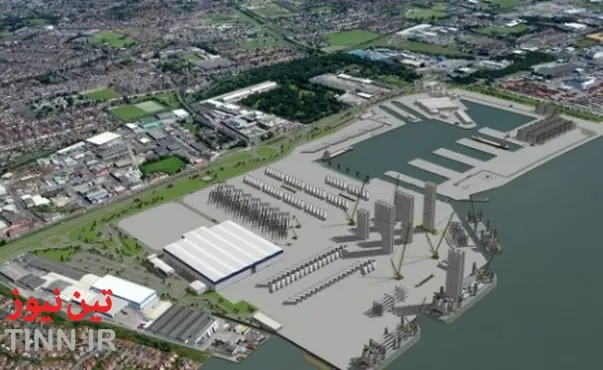
TIN news: At first sight, there is little to suggest the sleepy village of Brito is the starting point of one of the world’s most ambitious engineering projects.
Almost two years after ceremonial ground was broken on the Grand Transoceanic Canal of Nicaragua, the actual soil remains obdurately undisturbed by anything other than grazing cattle. There is no machinery, no noise, no activity.
Instead of legions of construction workers, the only people to be seen are a farming family sheltering on porch hammocks from the midday sun, and a couple of guards manning a gate on the rutted dirt track down to the river.
Yet contrary to the languid scene, local people have never been more convinced that the controversial mega-project is finally about to begin.
In recent weeks, they say, engineers have conducted geological surveys and marked up the area, farmers have been paid $3,000 to allow surveys of their land, and more than 500 acres have been purchased by the Chinese developer HKND for road-widening.
“The company is absolutely serious. We had a big meeting last month and they told everyone, don’t plant anything or build anything because you will only be compensated for the land,” said Brito shopkeeper Manuel Cruz. “They said they would start work on a pier within 15 days and bring in lots of workers in December or January.”
José Mena, a farmer, said Chinese engineers had visited within the last month to bore holes and take readings at several points across his property. Mena said they used drilling machinery that was stored near the proposed construction site for the port, which is now guarded 24 hours a day.
Earlier this year, the developers also came to talk to him about land appropriation. “I don’t mind if it goes ahead as long as they do it well. They should not do too much damage and they should ensure that people get proper compensation,” he said.
The uptick in activity at Brito suggests the project – which many had assumed to have been killed off by funding problems, local opposition and environmental concerns – may be about to move out of a dormant phase, though whether it gets much further may depend more on politics than finance or engineering.
Conceived by the government of Daniel Ortega, pushed through parliament in 2014 with almost no debate and backed by HKND, a mysterious Chinese company, the proposed $50bn waterway was envisaged as a superior rival to the Panama Canal. Designers say the biggest earth-moving operation in history will clear a 178-mile long, 30-metre wide channel so that even the world’s largest ships can pass through the isthmus between the Pacific and the Atlantic.
But it has been dogged by doubts and opposition. Shipping experts have questioned the viability of the project. The president of Panama, Juan Carlos Varela, last month described the rival canal as “more speculation than reality”.
Thousands of landowners along the route have rallied against the appropriation of their property. Unlike in Brito, there are no signs that the project is moving ahead in areas of strong protest.
“The last time the Chinese came was two years ago when some people here threw stones at their car and broke a window. Since then, nothing’s happened,” said Elizabeth del Carmen, a resident of Obrajuelo, which is where the canal is supposed to enter the western side of Lake Nicaragua.