|
News Code
103531
Copied
Isfahan witnesses ۴۰۰% rise in foreign tourist arrivals
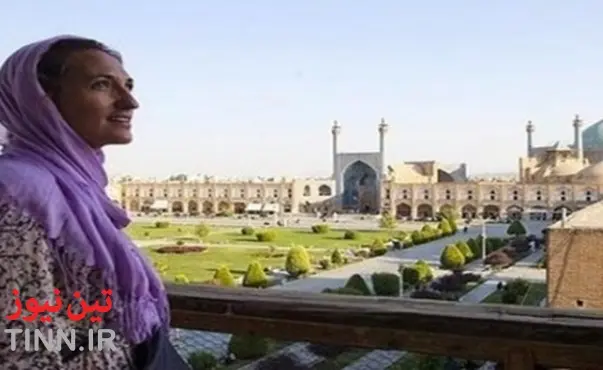
TIN news: Mohsen Yar-Mohammadian added that the number of foreign tourists visiting Isfahan stood at 65,000 in 2013 but the figure increased to 248,000 in the year to mid-March 2016.
He pointed out that 69,380 foreign tourists traveled to Isfahan during March 20-July 21.
Yar-Mohammadian noted that the country’s foreign policy played a positive role in the growth in the number of tourists in the past three years.
He said that due to cumbersome bureaucracy, only one exemplary tourism site has managed to obtain a license.
The private sector has spent between 50 and 200 billion rials to establish the six exemplary tourism sties of the province, he added.
The official continued that although World Tourism Organization has chosen the motto 'Tourism for All, All for Tourism' for this year, Isfahan has not attained this goal.
For example, there are no welfare and recreational facilities for the disabled in Isfahan, he lamented.
Sept. 27 has been designated as World Tourism Day. In addition, Iran Cultural Heritage, Handicrafts and Tourism Organization has designated Sept. 26-Oct.3 as Tourism Week.
Isfahan Province boasts over 22,000 historical monuments, of which 1,850 have been registered on the National Heritage List and four including Naqsh-e Jahan Square, Chehel Sotoun Palace, Fin Kashan Garden and Jame' Mosque have been registered on UNESCO's World Heritage List.
The province has 90 hotels and inns, of which 57 hotels and 30 inns are located in the city of Isfahan.
Isfahan Province, which is spread over 107,000 square kilometers, boasts a four-season climate, and thousands of historical and cultural monuments.
The city of Isfahan is among the top 10 cities for sightseeing.
Given the importance of resistance economy, cultural heritage is one of development axes of Isfahan Province.
Isfahan is the capital of Iran's handicraft industry. Isfahan is home to two-third of Iran's handicrafts and one-third of the world's handicrafts.
Located about 440kms south of Tehran, Isfahan has a history which dates back to the Safavid dynasty in 1500-1739 CE.