|
News Code
101871
Copied
Singapore’s MFM mandate could make other ports more price competitive
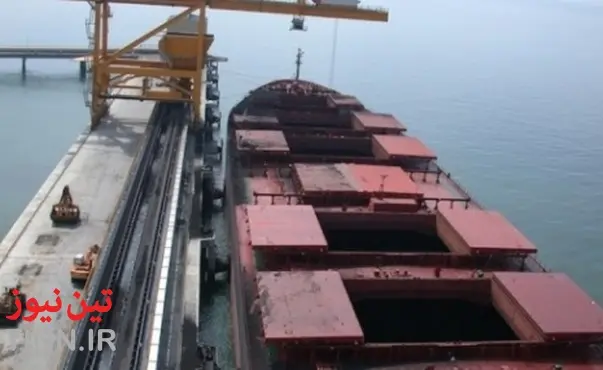
TIN news: An increase in costs associated with the mandatory switch to mass flow meters in Singapore from January 2017 could potentially narrow the price differential for bunkering between Singapore and other ports in the region such as Hong Kong and Malaysia, and could prompt some vessels to switch, industry sources said this week.
The Maritime and Port Authority of Singapore provides an $80,000 subsidy to install MFMs on barges. But buyers still need to pay a $3-$5/mt premium to Platts 380 CST bunker fuel delivered through MFMs, traders said. This is a significant addition given the narrow differential between Hong Kong and Singapore 380 CST prices.
The MPA declined to comment on the issue.
“The [MFM] technology is expensive, with installation itself likely to cost around $250,000-$300,000. Regular maintenance and calibration will also be required and will escalate costs,” a bunker supplier in Singapore said.
MFM measures the transfer of bunker fuel between the supplier and buyer. It measures the flow rate in the pipe, gauging the quantity as well as the mass and density of the bunker fuel passing through and is expected to enhance productivity, bring more transparency and improve measurement processes by eliminating human error.
MFM bunkering has already been introduced at ports such as Fujairah in the UAE. Singapore is, however, the first country to make MFMs mandatory. As of August 29, 102 bunker vessels have MPA-approved MFMs, the MPA told S&P Global Platts Wednesday.
“With this development, the price of bunker fuel has to go up, but I don’t know by how much,” an industry source in Singapore said.
Platts assessed Singapore 380 CST bunker fuel at $249.50/mt on a delivered basis while the same grade was assessed at $252/mt in Hong Kong on Thursday. But on August 26, the prices were at parity.
“I doubt if a lot of ships will detour just because bunker fuel has become more expensive in Singapore. But if a vessel is calling at say both Singapore and Hong Kong, then it is certainly going to pick up its fuel from Hong Kong, if prices are more attractive there. Some volume will likely shift to other ports too,” another bunker supplier said.
Despite the additional costs, the move to install MFMs has been welcomed by the industry because of the benefits that it will bring. The meters are said to shave around three hours off a bunkering operation that can typically take up to eight hours, industry sources said.
It will also help tackle issues related to the Cappuccino effect, a situation where compressed air is blown through the delivery hose and causes frothing or bubbling, giving the impression that more fuel has been delivered when there is actually a shortfall, they said.
Singapore’s 2015 bunker fuel sales were at a record high of 45.2 million, up 6.5% year on year, MPA data showed.