|
News Code
100697
Copied
China’s Shenzhen port to tighten sulfur limits at berth from Oct ۱,۲۰۱۶
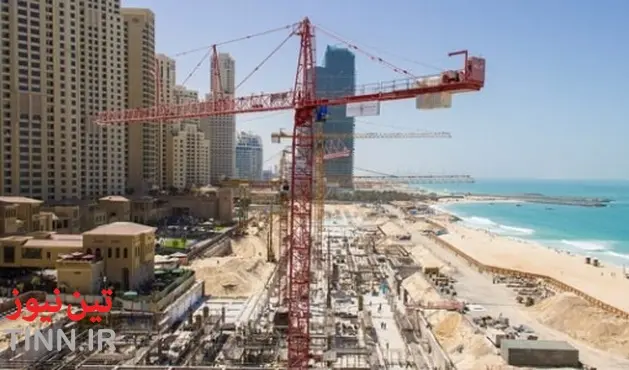
TIN news: China’s Shenzhen port will be implementing tighter sulfur limits from October 1, 2016, with ships required to use bunker fuel with a maximum sulfur content of 0.5% while at berth, except during the first hour after arrival and the last hour before departure, a circular from Huatai Insurance, a marine services company which provides regular updates on China’s shipping industry on its website, stated this week.
“In the Pearl River Delta ECA [emission control area], only at Shenzhen port [will such a] requirement be implemented in advance … whilst at other key ports within the Pearl River Delta ECA, such requirements will still be implemented from January 1, 2017, as per [the] original schedule of the China MSA [Maritime Safety Administration],” the circular stated on August 23, adding that the Shenzhen MSA has advised that “they are now working out details on these requirements and plan to issue a formal notice at the end of this month”.
China-based traders said Friday that the impact of the tighter sulfur limits at Shenzhen port is expected to be small.
“I don’t think there will be much of an impact,” a trader said Friday.
“Shenzhen seldom supplies low sulfur marine gasoil, because prices are far cheaper in Hong Kong, but with both ports so close to each other, it depends on the duration of the port/berth time stay,” he said, adding that if port stays in Hong Kong are of a shorter duration, then a vessel may consider taking bunker fuel in Shenzhen instead.
“Otherwise, [bunker] prices in Hong Kong are cheaper than Shenzhen in general, but some ships don’t call at Hong Kong, only at Shenzhen, depending on the route they are taking,” he said.
In its circular, Huatai Insurance stated that Shenzhen has “10 berths that are equipped with shore power facilities, which can be used during vessels berthing as an alternative to low sulfur fuel requirements.”
The move by Shenzhen local authorities to tighten sulfur limits at its port follows in the footsteps of Shanghai, which together with the other neighboring key ports within the Yangtze ECA, moved to restrict sulfur limits of ships while at berth to a maximum of 0.5% on April 1, 2016.
Tighter sulfur limits are part of broader regulations detailed in a multi-year road map laid out by China’s Ministry of Transport to cap the maximum sulfur content of bunker fuel used in ECA zones at 0.5% by January 1, 2019.
China has delineated a total of three ECA zones, which are the Yangtze River Delta area, the Pearl River Delta area, and the Bohai Rim area.