FedEx ramps up SAF procurement for use at five US airports
FedEx has struck agreements to secure more than 20m gallons of neat sustainable aviation fuel (SAF) across five US airports until the end of 2027.
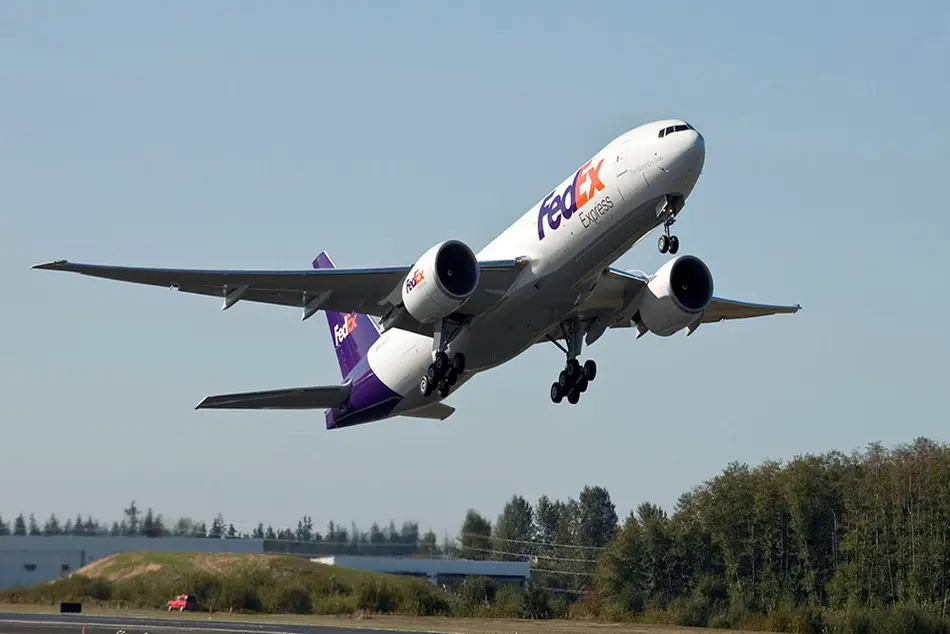
FedEx has struck agreements to secure more than 20m gallons of neat sustainable aviation fuel (SAF) across five US airports until the end of 2027.
The agreements span FedEx operations at Newark Liberty International Airport, Oakland International Airport, Miami International Airport, John F. Kennedy International Airport, and Dallas Fort Worth International Airport.
These agreements are expected to deliver SAF at blend ratios ranging from 30% to 50%, depending on location.
According to FedEx, since last year, it has secured approximately 5m gallons of neat SAF through agreements that resulted in the deployment of 16.5m gallons of blended SAF across five US airports.
In May last year, Neste announced it would supply 8,800 metric tons (more than 3m gallons) of SAF to FedEx at Los Angeles International Airport. This was the first major US SAF deployment by FedEx.
Then in October, FedEx began to take delivery of SAF at Chicago-O’Hare Airport and Miami International Airport for the first time.
FedEx is working toward its goal to source 30% of jet fuel blended from alternative sources by 2030, while expanding the use of SAF across its US air network.
“The latest agreements represent an expansion of SAF within the FedEx air network enabled, in part, by state and federal level incentives,” said Greg Paulus, vice president of enterprise sourcing at FedEx.
“SAF is one of the most impactful decarbonization solutions available to aviation today and an important part of our approach to reducing emissions,” added Karen Blanks Ellis, chief sustainability officer and vice president of environmental affairs at FedEx.
“For the market to grow, supply needs to be reliable, affordable, and sustainable. Expanding our procurement allows us to employ more SAF in our network while bolstering the demand for greater production and scale.”