UK cargo operations disrupted after air traffic control issues
UK air cargo operations are facing disruption after flights were disrupted due to technical issues with air traffic control systems.
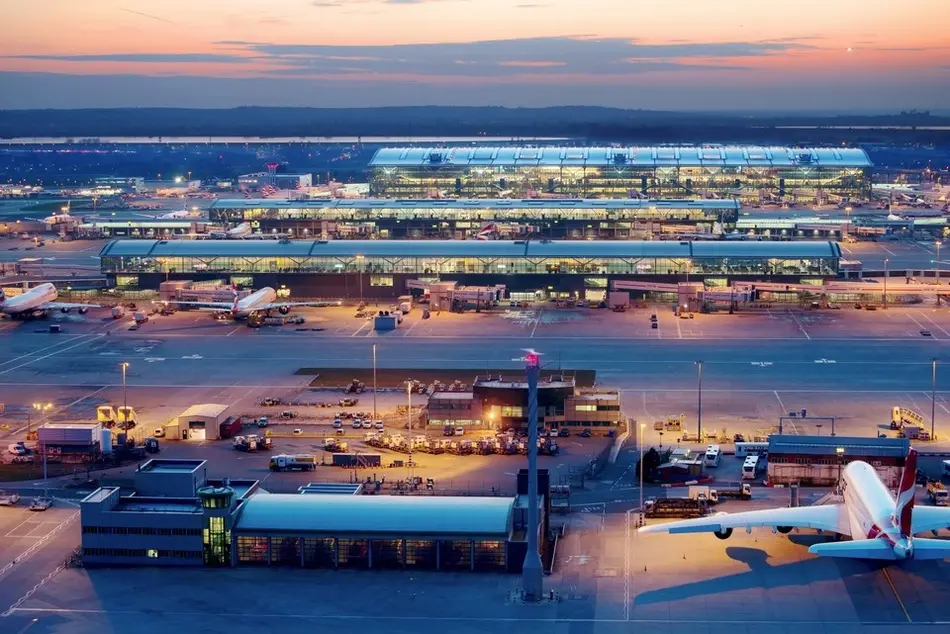
UK air cargo operations are facing disruption after flights were disrupted due to technical issues with air traffic control systems.
On 8 September, UK air traffic controller NATS’ flight processing system faced issues which have since been fixed. However, as a result of the issues, around 2,000 flights were cancelled on 8 and 9 September.
“This has been a very complex recovery and has created difficulties for the whole aviation network, from which it will take time to recover,” NATS said in a statement.
Heathrow, Gatwick and East Midlands Airport were amongst the airports affected by the issues.
Virgin Atlantic Cargo said flights were expected to operate as normal on 9 September, although there may be some disruption to shipments.
“While the technical issue affecting the NATS air traffic control system has now been resolved, recovery across the wider aviation industry is ongoing.
“Virgin Atlantic expects to operate its planned flying programme on Wednesday 9 September, although some shipments will continue to experience disruption as a result of the outage on Tuesday 8 September.”
The cargo business added that teams are prioritising rebooking impacted shipments and customers should check its track and trace system or the latest status update.
A spokesperson for IAG Cargo said: “Following the disruption to our network caused by the NATS air traffic control systems outage on Tuesday, our teams have worked hard to minimise the impact felt by our customers.
“Any affected customers are being rebooked onto the next available service as the wider operation now recovers.
“We currently have no booking restrictions in place and cargo can be booked as normal.”
Meanwhile, UK forwarder association BIFA warned of ongoing delays to cargo.
BIFA compliance and external affairs director Pawel Jarza said: “A significant volume of airfreight is carried in the bellyhold of passenger aircraft, meaning cancellations, delays and diversions will also have disrupted the movement of goods and affected the businesses that depend on them.
“Although the technical issue has been resolved, the knock-on effects are likely to continue for several days especially for urgent, time-sensitive or specialist consignments.”
He said that urgent, perishable, pharma, automotive, technology and high-value goods were particularly vulnerable to delays.
“BIFA members will be working closely with airlines, ground handlers, Customs and their international networks to prioritise shipments, assess alternative routes and keep customers informed as the situation changes,” he added.
“Once normal operations have resumed, there will need to be a clear assessment of what further measures are required to strengthen the resilience of the UK’s aviation infrastructure.”
According to data from Rotate, outbound international cargo capacity from London Heathrow fell to 2,500 tonnes on 8 September compared with 4,200 tonnes a week earlier.
Stansted’s outbound international cargo capacity dropped to 798 tonnes against 1,000 tonnes, and at East Midlands there was a fall to 1,200 tonnes from 1,400 tonnes.