AirBaltic Files For Chapter 11 Bankruptcy Restructuring
Latvian carrier AirBaltic has said operations are continuing as normal, after the airline filed for U.S. Chapter 11 restructuring, along with AirBaltic Training and Baltijas Kravu Centrs (Baltic Cargo Center).
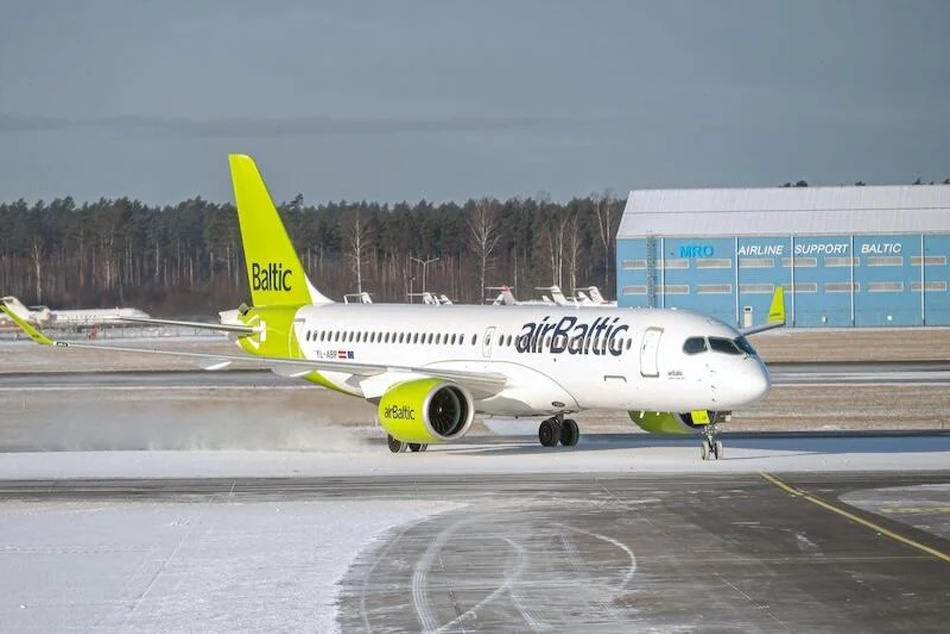
Latvian carrier AirBaltic has said operations are continuing as normal, after the airline filed for U.S. Chapter 11 restructuring, along with AirBaltic Training and Baltijas Kravu Centrs (Baltic Cargo Center).
The filing was lodged with the Southern District of New York bankruptcy court on Sept. 14. The court-supervised restructuring is expected to be completed around June 2027.
AirBaltic said it chose Chapter 11 because its financial obligations are “international in nature” and the process is well established. Other European airlines have been through Chapter 11, including Scandinavian Airlines (SAS).
“Our focus is on continuing to run the airline while implementing the changes set out in our new business plan,” AirBaltic President and CEO Erno Hildén said. “For our passengers, our operations continue as normal. We are flying, selling tickets and planning our future schedule.”
AirBaltic Chairman Andrejs Martinovs said a central priority is to keep flying, maintaining Latvia's connectivity, while “substantially” reducing AirBaltic’s obligations to make the airline financially sustainable over the long term.
Chapter 11 protects companies from creditor claims. AirBaltic said it will continue to meet its obligations, and the existing management board and supervisory board will remain in place.
AirBaltic has committed to €350 million ($406 million) of new debtor-in-possession (DIP) financing, with an interest rate of around 12%, to provide liquidity during the Chapter 11 restructuring. This will need court approval.
“Together with cash generated from ongoing operations, the financing is expected to provide sufficient liquidity for AirBaltic to continue its operations during the Chapter 11 process,” AirBaltic said.
Over the past decade, AirBaltic rapidly built up an all-Airbus A220-300 fleet, which meant the airline was heavily impacted by Pratt & Whitney’s powder metal issues. In August, AirBaltic detailed plans to cut its A220 fleet and refocus on its core Riga home base operations. Earlier this month, AirBaltic reached an interim financing agreement with its bondholders.
The airline currently has a fleet of 54 in-service A220s and two of the type stored, according to Aviation Week's Fleet Discovery database. Of those 56 aircraft, only 15 are owned by the carrier with the rest on dry lease. Fleet Discovery shows the lessors with the most exposure to AirBaltic are DAE and German Operating Aircraft Leasing with seven aircraft, followed by Azorra with six.