Škoda Group to Showcase Battery Trains at InnoTrans 2026
Škoda Group will present battery-electric trains, alongside trams, trolleybuses, signalling systems and digital technologies at InnoTrans 2026 in Berlin from 22–25 September.
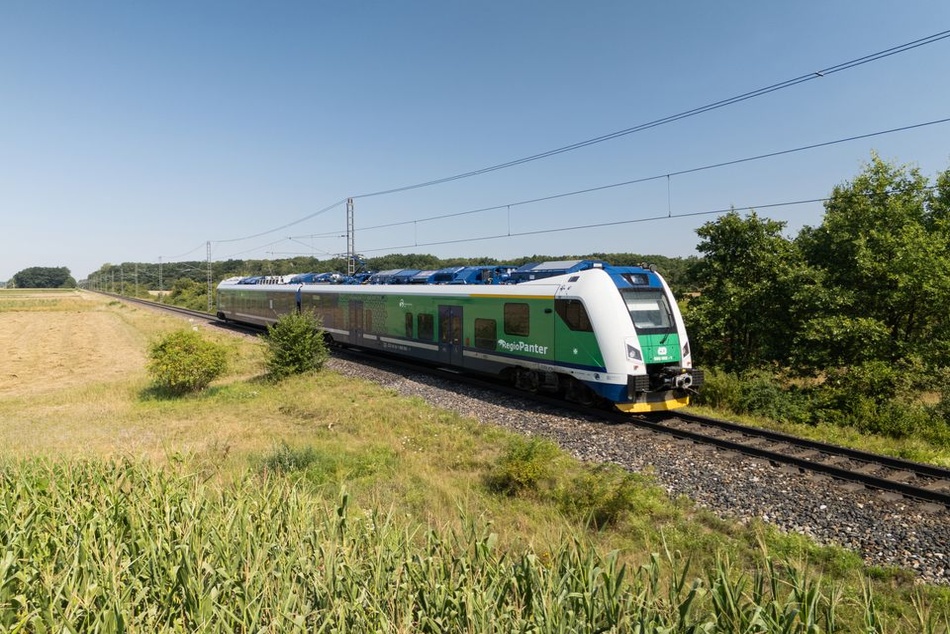
Škoda Group will present battery-electric trains, alongside trams, trolleybuses, signalling systems and digital technologies at InnoTrans 2026 in Berlin from 22–25 September.
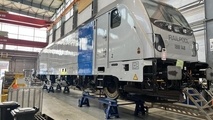
One of the main exhibits will be the latest generation of Škoda’s battery-electric multiple unit (BEMU) RegioPanter. The train is designed to operate under overhead electrification and on non-electrified routes using its onboard batteries.
The new BEMU is expected to have a battery range of at least 80 kilometres and a maximum speed of 120 km/h when operating without overhead power. Under electrified sections, it can reach up to 160 km/h.
Škoda says more than 100 vehicles using its battery technology are currently in production or on order.
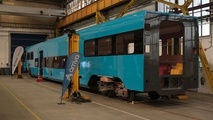
The company’s ForCity Plus 52T tram will also be displayed. The five-section, fully low-floor tram is currently undergoing testing in Prague, where it has accumulated more than one million kilometres of operation.
The 52T features fully and partially pivoting bogies and includes a collision-avoidance system using LiDAR, cameras and positioning technology. Škoda says the vehicle can be adapted for use in other European cities.
Battery trolleybuses will form another part of the company’s display. Škoda will present its contract for 52 trolleybuses for Esslingen am Neckar in Germany, comprising ten 12-metre 32Tr vehicles and 42 articulated 18-metre 33Tr vehicles.
The trolleybuses will be capable of operating both beneath overhead wires and away from the network using traction batteries, with a range of up to 25 kilometres away from the overhead infrastructure.
Petr Novotný, CEO and Chairman of the Board of Škoda Group said:
InnoTrans is where the entire world of public transport comes together, and where we want to demonstrate that Škoda Group today offers much more than individual vehicles. We are able to combine modern rail and road vehicles with digital technologies, signalling systems, drives and other key components. In Berlin, we are also bringing solutions that are no longer merely a vision of the future – they have been proven in everyday operation and help our customers in different countries make public transport more attractive, safer and more efficient.
Škoda will also highlight its digital technologies for fleet management, diagnostics and maintenance. Its predictive diagnostics systems use operational data and artificial intelligence to identify potential faults, while Visual Inspection is designed to detect damage and other abnormalities on vehicles.
Furthermore, the company’s Smart Depot concept will be presented. It brings together technologies for automated vehicle shunting and parking, obstacle detection and automated movement through depot facilities, including washing systems.
Signalling will be represented by The Signalling Company, a Škoda Group business. Its InnoTrans programme will include Automatic Train Protection and the RailOS software platform, which is designed to integrate ETCS with national Class B signalling systems.
In addition, Škoda will demonstrate the integration of Germany’s PZB system into RailOS. According to the company, the platform can now cover 22 European countries.