Iran–Iraq Transit and International Transport Agreement Expected to Expand Cooperation and Open New Trade Corridors
A newly signed road transport agreement between Islamic Republic of Iran and Republic of Iraq is set to deepen commercial and transport cooperation
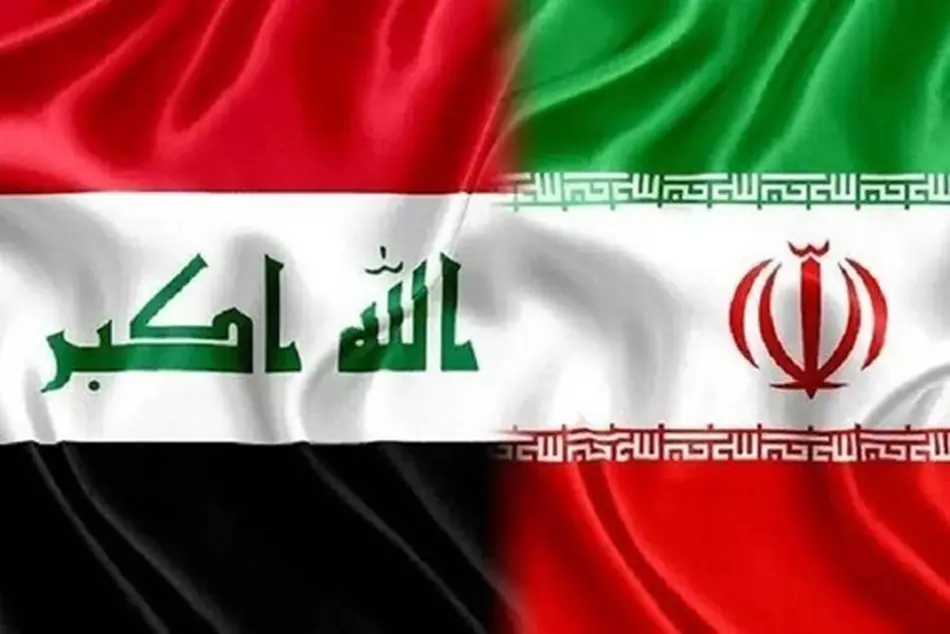
A newly signed road transport agreement between Islamic Republic of Iran and Republic of Iraq is set to deepen commercial and transport cooperation and allow the two neighbors to use either’s territory to reach new export markets, a senior Iranian transport official said.
Mr. Hossein Hosseini, Director General for the Department of Transit and International Transport at Iran’s Road Maintenance and Transportation Organization, stated that bilateral trade ties had previously been governed by a Memorandum of Understanding. With the aim of raising the measure of trade exchanges, and following coordinated efforts with the Ministry of Foreign Affairs and the Iranian Embassy in Baghdad, the transit and transport agreement has now been finalized and signed by both Parties.
He added that the remaining legal procedures would be reviewed in technical parliamentary commissions prior being submitted to the floor of the Iran’s parliament.
Once implemented, the agreement will enable businessmen, traders and transport operators to use each other’s territory for the movement of goods to third countries—streamlining transit procedures while opening new target markets for economic actors, Mr. Hosseini said.
The official noted that much of the cross-border transport between the two countries had previously relied on traditional methods, including the transport and transshipment of cargo at the border crossings. Iraq’s accession to a number of international transport conventions and treaties, he said, has now created conditions for a shift toward seamless transport and the use of internationally recognized documentation and procedures.
Under the new framework, Iraqi trucks will be able, with the necessary permits, to carry Iraqi exports through Iranian territory to third countries. In return, Iranian hauliers will be authorized to use Iraqi territory to deliver goods to a range of destinations.
Mr. Hosseini also said the Accord extends the scope of economic cooperation beyond bilateral trade and enables the two countries to make mutual use of their transit capacities—giving both sides access to a wider set of target markets, stressing that transport agreements play a central role in facilitating trade and developing national transit sectors.
The Iran–Iraq agreement, he said, is expected not only to widen target markets and shift transport activity from traditional practices toward standardized international procedures, but also to further activate the transit and commercial potential of both countries.